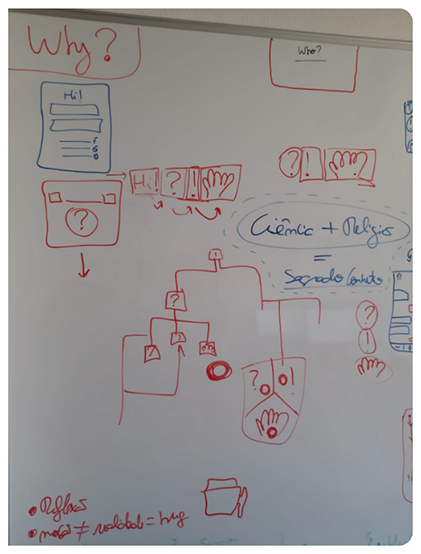
UX Research & Product Design Case Study

Why App

Addressing Mental Health Barriers in Youth

UX Research Mental Health 2020–2021
Role
UX Research Intern
Tools
Google Forms, Excel, Whiteboard
Team
1 Project Manager, 1 UX Researcher
Timeline
Oct 2020 – Jul 2021 (10 months)

Help-seeking barriers in young people

Overview

During my internship at Factor Social, I focused on understanding the barriers and facilitators to mental health help-seeking among young people.

The main objective was to identify key obstacles preventing young people from seeking mental health support and to design preliminary solutions that would make mental health resources more accessible, relatable, and engaging.

The Erasmus+ YML project, although funding was rejected, aimed to raise awareness of mental health, promote emotional literacy, and help young people develop habits for a more fulfilling life.

Side Quests

  • Young and Mentally Literate (YML) Project – Designed and led an Erasmus+ initiative to improve mental health literacy among young adults, expanding beyond the initial internship scope.
  • Research on Barriers to Help-Seeking – Conducted a systematic review and research report identifying the psychological, social, and structural barriers that prevent people from seeking mental health support.
Research Survey Sketch

Understanding barriers to mental health help-seeking
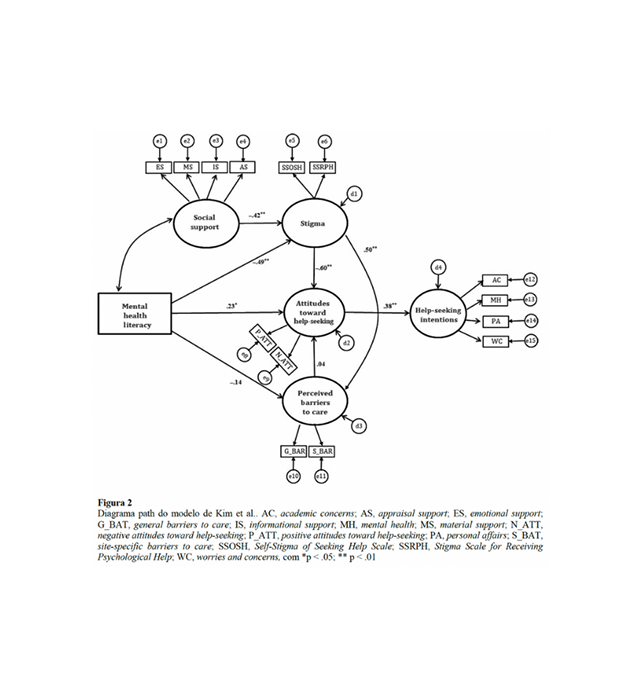
Figure 2: Path model of mental health help-seeking factors

Figura 2 – Path diagram from Kim et al. AC, academic concerns; AS, appraisal support; ES, emotional support; G_BAT, general barriers to care; IS, informational support; MH, mental health; N_ATT, negative attitudes toward help-seeking; P_ATT, positive attitudes toward help-seeking; PA, personal affairs; S_BAT, site-specific barriers to care; SSOSH, Self-Stigma of Seeking Help Scale; SSRPH, Stigma Scale for Receiving Psychological Help; WC, worries and concerns.

The WhyApp research phase explored barriers and facilitators of mental health help-seeking behavior, particularly among young adults. Despite experiencing distress, few people actively seek help, often due to stigma, financial constraints, lack of access, or uncertainty about where to start.

A key finding was the gap between recognizing a mental health need and taking action. Even when individuals had mental health literacy, structural barriers (cost, wait times, accessibility) often overrode their intention to seek help.

The research also emphasized self-efficacy and social influence. People were more likely to seek help if they felt in control of the process, had positive prior experiences, or saw mental health normalized in their environment. Fear of judgment and skepticism toward treatment efficacy were strong deterrents.

These findings informed the developmental direction of WhyApp, ensuring that its design addressed key pain points:

  • Reducing cognitive load and uncertainty by providing a clear, step-by-step approach to exploring mental health resources.
  • Lowering entry barriers through self-guided tools, anonymous engagement options, and a structured progression from self-reflection to professional support.
  • Incorporating behavioral triggers such as small, low-commitment actions and habit-forming interventions to encourage sustained engagement.
Mental Health Support & App Usability Survey

As part of the research phase for the Why App, we conducted an online survey to explore how users perceive mental health support and their openness to digital solutions. The survey aimed to uncover key pain points, engagement patterns, and user preferences for mental health-related interventions.

The survey gathered insights from 46 respondents, focusing on:

  • Satisfaction with existing mental health support in Portugal (costs, accessibility, and effectiveness).
  • Help-seeking behaviors, including professional support and self-help strategies.
  • Willingness to pay for mental health services and the perceived value of different pricing models.
  • Interest in a mental health app, assessing likelihood of use and potential frequency of engagement.

Most common responses

Have you accessed professional mental health support?Sim (Yes)
Main method for addressing mental health challengesPsicólogo (Psychologist)
Most common willingness to pay per month for professional mental health support€40 – €60
Most common expected usage frequency for the mental health app1 vez por semana (Once per week)
Most common education levelLicenciatura (Bachelor's Degree)

Averages (n = 46)

Satisfaction with mental health services in Portugal (1–5)2.85
Satisfaction with support for everyday mental health struggles (1–5)3.09
Perceived usefulness of the proposed mental health app (1–5)4.59
Self-reported mental health difficulties (1–5)3.65
Effectiveness in managing those difficulties (1–5)3.35
Likelihood of using the proposed mental health app (1–5)4.39
Average age24.3 years

Sketches

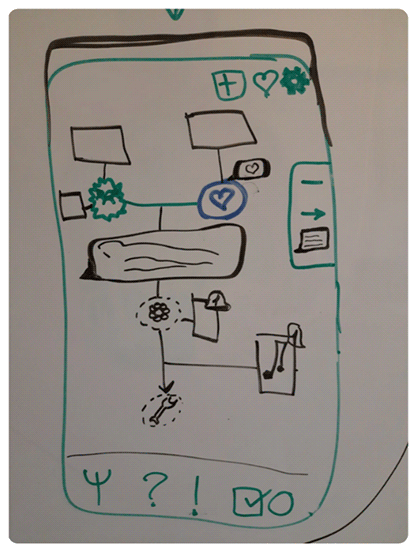
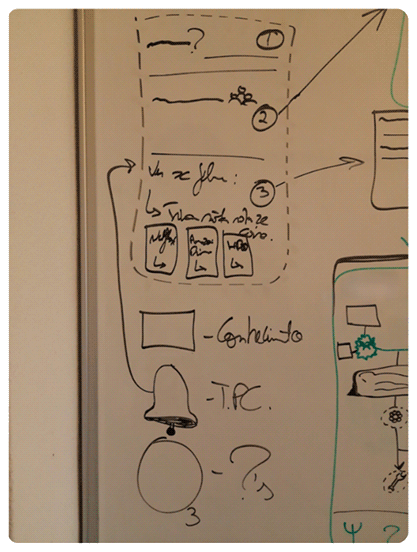
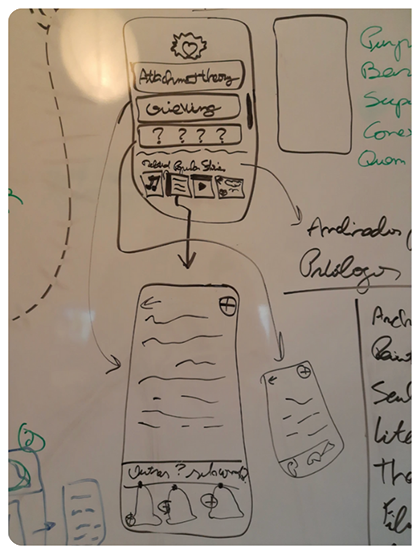
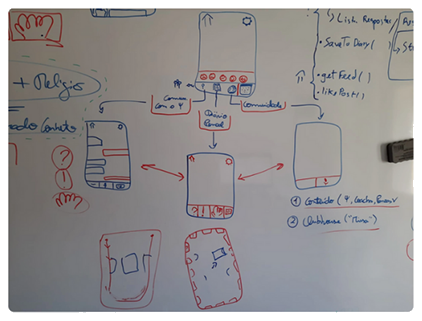
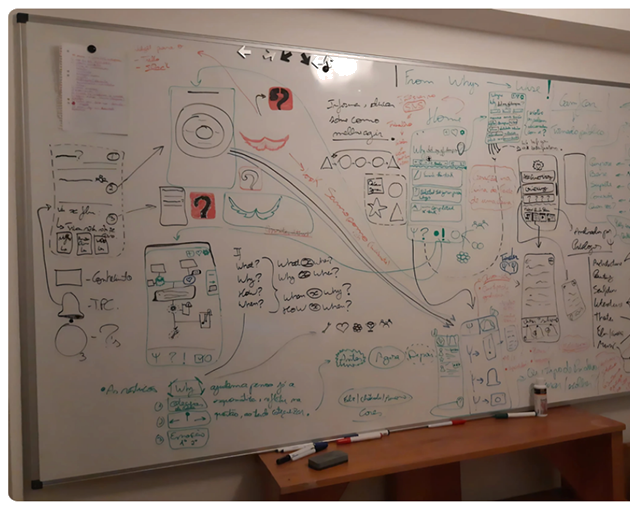
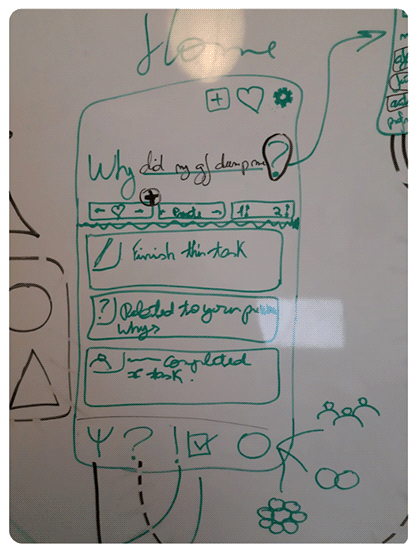
Whiteboard sketches exploring WhyApp navigation and features

The sketches helped define core app functionalities based on research into help-seeking behaviors and engagement barriers. Different layouts and structures were explored before finalizing a question-driven navigation system that guides users through self-reflection, peer insights, and expert recommendations.

Key Features Defined Through Sketching:

  • Adaptive Question-Based Navigation – Users explore content and support through structured prompts.
  • Self-Guided & Professional Support – Combines journaling, peer discussions, and expert resources.
  • Integrated Mental Health Tools – Mood tracking, habit formation, and AI-driven suggestions.
  • Low-Friction Engagement – Simple UI encouraging quick interactions without overwhelming users.

Learnings & next steps

Learnings

This project reinforced how behavioral barriers shape mental health help-seeking and the need for low-friction engagement. The process strengthened my ability to translate research insights into UX decisions, ensuring the design aligned with real user needs.

Next steps

Future work would focus on refining content personalization and testing AI-driven recommendations. Prototyping and user testing would help validate engagement strategies, while exploring community-driven support could enhance long-term retention.